
Moving to Clermont, FL: Essential Tips for New Residents in 2026
Moving to Clermont FL in 2026 places new residents in one of Central Florida’s fastest-growing cities. According to U.S. Census Bureau estimates, Clermont’s population climbed past 47,000 residents by 2023, up sharply over the past decade. Rolling hills, access to Lake Minneola, and proximity of about 25 miles to downtown Orlando draw both families and remote workers. Understanding housing costs, commuting realities, schools, and neighborhood character helps newcomers align expectations before signing a lease or purchase contract.
Why Are People Moving to Clermont, FL in 2026?
Clermont’s appeal starts with its landscape. Unlike much of flat Central Florida, the hills around the Citrus Tower and along Hancock Road create long views over Lake Minneola and Lake Minneaha. Waterfront Park and Victory Pointe give residents boardwalk access to the water, along with playgrounds and event space. According to the City of Clermont Parks & Recreation department, the city manages more than 20 parks and facilities, helping maintain an outdoor-focused lifestyle throughout the year.
On late afternoons along the South Lake Trail near Waterfront Park, the air often carries a mix of lake breeze and the smoky scent of grills from picnic shelters. Cyclists’ tires hum softly over the pavement while the bells from passing bikes echo near the Clermont Historic Village Museum. Sunlight glints off the water behind palm silhouettes, and the distant chatter from Lakeshore Drive cafes gives the shoreline near Lake Minneola a relaxed, resort-like feel even on regular weekdays.
Clermont’s location also influences migration from across Florida and out of state. The city sits at the junction of U.S. Highway 27 and State Road 50, roughly 30 minutes from major employment centers in Orlando when traffic cooperates. According to American Community Survey data, average commute times hover near 30 minutes, shorter than many large metropolitan suburbs. Access to Walt Disney World, just under 20 miles away, supports significant hospitality and service employment.
Cultural amenities are expanding alongside population growth. The Clermont Performing Arts Center hosts regional theater, comedy, and concert events, while the Clermont Arts and Recreation Center programs classes across dance, fitness, and visual arts. Clermont Landing and the adjacent Epic Theatres of Clermont anchor retail and entertainment along State Road 50, giving residents movie, dining, and shopping options without driving into Orlando. Combined with the historic downtown corridor on Montrose Street and 8th Street, the city balances small-town scale with urban conveniences.
How Much Does It Cost to Live in Clermont, FL?
Housing costs remain a primary factor for anyone moving to Clermont FL. According to Redfin data through early 2026, typical single-family homes in Clermont often close in a range from about $350,000 to roughly $550,000, depending on size and neighborhood. Townhomes and villas in communities such as Kings Ridge and Heritage Hills may start closer to the mid-$300,000s, while lakefront or golf-course properties at Legends Golf and Country Club can exceed $700,000 in some cases.
Renters see a similar spread tied to proximity to Lake Minneola, downtown Clermont, and major roads. Based on listings tracked by Zumper, typical one-bedroom apartments around Clermont Landing and along East Highway 50 often run between about $1,600 and $1,900 per month in early 2026. Larger three-bedroom single-family rentals in subdivisions off Hartwood Marsh Road or Johns Lake Road frequently range from roughly $2,300 to around $2,800, depending on age and amenities.
Ongoing costs matter as much as purchase price. Lake County’s effective property tax rate generally falls between about 0.8% and 1.1%, according to comparisons by Tax-Rates.org. Homeowner association dues in planned communities such as Serenoa, Greater Hills, or Sawgrass Bay can range from roughly $80 to more than $250 per month, depending on pools, gates, and lawn service. Budgeting for HOA costs and possible Community Development District assessments is essential for long-term financial comfort.
Daily living expenses track near broader Orlando-area averages. The Numbeo cost-of-living index for nearby Orlando suggests groceries run only a few percentage points above the national average, while utilities for a standard 915-square-foot apartment can average around $170 per month. Clermont’s slightly lower density and strong competition among supermarkets along U.S. Highway 27, including Publix and Aldi, help keep grocery costs manageable relative to denser coastal metros.
What Are Commutes and Transportation Like for Clermont Residents?
Transportation planning should sit high on any moving-to-Clermont FL checklist. Clermont remains primarily car-dependent. According to Walk Score, the city posts a Walk Score around 15 and a Transit Score near 0, reflecting limited fixed-route public transport. Most residents rely on personal vehicles for commuting via State Road 50, U.S. Highway 27, or Hartwood Marsh Road toward Florida’s Turnpike and State Road 408 into Orlando.
For commuters headed to downtown Orlando, the distance is roughly 25 miles from the intersection of Highway 27 and State Road 50. According to travel-time estimates from Google Maps, this drive can take as little as about 35 minutes in light traffic but easily stretches beyond 55 minutes during peak rush hours. Many professionals stagger schedules or work hybrid arrangements to avoid the most congested windows on the Turnpike and State Road 408.
Within Clermont, cycling and walking play a larger role near Lake Minneola. The South Lake Trail extends roughly 13 miles through Clermont, Minneola, and Groveland, according to the South Lake Trail profile. Neighborhoods near Lakeshore Drive, East Avenue, and Osceola Street can access the trail directly, allowing car-free trips to Waterfront Park, Victory Pointe, and the restaurants near Montrose Street. For residents choosing housing, proximity to the trail can significantly change daily transportation patterns.
Regional transit options continue to evolve. LakeXpress, operated by Lake County, runs limited bus service that connects Clermont with neighboring communities, though routes remain sparse compared with urban systems. Many residents also use park-and-ride options along State Road 50 for carpools toward Orlando’s employment centers. Ride-share services such as Uber and Lyft typically arrive within about 10 minutes in central Clermont, but wait times can lengthen near the outer edges toward Groveland and Four Corners during late-night hours.
How Strong Are Schools, Parks, and Healthcare in Clermont?
Education quality often ranks among the top priorities for households moving to Clermont FL. Clermont belongs to Lake County Schools, which operates campuses such as Clermont Elementary School, Lost Lake Elementary, Windy Hill Middle School, East Ridge High School, and Lake Minneola High School. According to GreatSchools, several Clermont-area schools earn ratings in the 6-to-8-out-of-10 range based on test scores and student progress, though performance varies by campus and program.
Higher education access continues within a short drive. Lake-Sumter State College’s South Lake Campus near North Hancock Road offers associate and bachelor’s degree programs, while the adjacent University of Central Florida South Lake regional campus expands four-year options. According to Lake-Sumter State College, the South Lake campus serves more than 4,000 students annually. This educational cluster, located just a few miles from East Ridge High School, supports dual-enrollment pathways and shortens commutes for college students living in Clermont.
An evening visit to Lake Louisa State Park highlights Clermont’s connection to outdoor recreation. The scent of longleaf pines mixes with faint campfire smoke as the sun sinks over Dixie Lake, turning the water copper and orange. Crickets chirp around the sandhill trails while kayaks glide quietly along the shoreline. The soft crunch of sand underfoot near the Lake Louisa beach area contrasts with the smooth wooden boardwalk, giving families and hikers sensory reminders of Central Florida’s natural side only about 7 miles from downtown.
Healthcare access has expanded with population growth. Orlando Health South Lake Hospital, located off Citrus Tower Boulevard, provides emergency care, inpatient services, and specialty clinics. According to Orlando Health South Lake Hospital, the campus includes more than 140 inpatient beds and a 24-hour emergency department. Additional medical offices cluster along Hunt Trace Boulevard and Oakley Seaver Drive, while larger tertiary-care facilities such as Orlando Health Orlando Regional Medical Center and AdventHealth Orlando sit roughly 25 to 30 miles east via Florida’s Turnpike.
Which Neighborhoods and Amenities Suit Different Lifestyles in Clermont?
Neighborhood choices in Clermont vary by desired lifestyle. Historic Downtown Clermont around Montrose Street and 8th Street offers older cottages and bungalows within walking distance of the Clermont Historic Village Museum, local breweries, and weekly markets at City Hall Park. Farther south along U.S. Highway 27, master-planned communities such as Greater Hills, Highlander Estates, and Sawgrass Bay feature newer single-family homes, community pools, and playgrounds. Active-adult communities like Kings Ridge and Summit Greens provide golf, clubhouses, and organized activities.
Water-oriented buyers often look near Lake Minneola and Lake Minnehaha. Streets such as Lakeshore Drive, East Avenue, and Minneola Avenue host lakefront properties and homes with deeded access to the water. According to listings compiled by Realtor.com, lakefront residences can command premiums of $150,000 or more over similar inland homes, reflecting scarce shoreline inventory. Families prioritizing sports and recreation may prefer areas near Hancock Park, East Ridge Middle School, and the Clermont Arts and Recreation Center complex.
Retail and dining clusters also shape daily routines. Clermont Landing at Steve’s Road and East Highway 50 houses national retailers, a large fitness center, and numerous restaurants, while nearby BJ’s Restaurant & Brewhouse and Olive Garden line the corridor. Smaller local favorites populate downtown streets near Suncreek Brewery, Clermont Brewing Company, and restaurants along West Minneola Avenue. Access to these corridors from neighborhoods via East Avenue, Hooks Street, and Citrus Tower Boulevard can significantly reduce weekly driving distances.
Golf-oriented residents gravitate toward Legends Golf and Country Club, Green Valley Country Club, and the surrounding fairway communities near Hartwood Marsh Road. These neighborhoods often include gated entries, driving ranges, and community pools. For those preferring a quieter environment, rural-feeling pockets west of Hancock Road toward Greater Groves and north toward Minneola provide larger lots, fewer HOA restrictions, and easier access to the South Lake Trail. Matching neighborhood character with commuting needs, school zones, and amenity preferences remains central to a smooth transition.
The 47,000-resident benchmark cited at the start of this guide reflects a city moving from small town to regional hub. That same growth figure from the opening underscores the importance of understanding housing, transportation, and service capacity before committing to a long-term address. The Orlando Regional Realtor Association market statistics portal offers detailed monthly data for Clermont and surrounding Lake County communities. Buyers who register listing alerts through local MLS-connected portals and schedule showings within 48 hours of promising new listings before the late-spring surge in May typically secure stronger bargaining positions, while hesitant prospects entering after that seasonal spike often face tighter inventory and higher asking prices.
FROM OUR BLOG
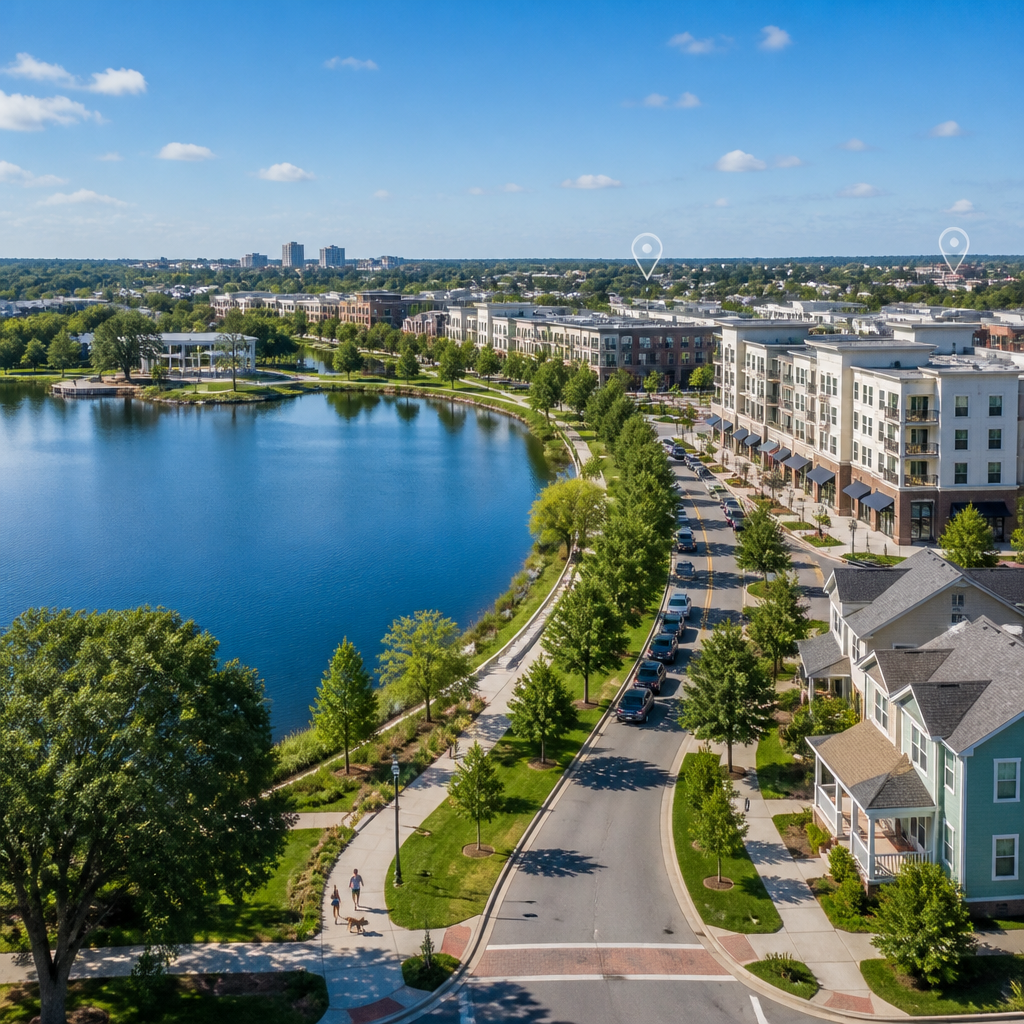

Discover Your Dream Home: Winter Garden Homes for Sale in 2026
Discover Your Dream Home: Winter Garden Homes for Sale in 2026 Winter Garden continues to attract Central Florida buyers seeking historic charm, lakefront scenery, and modern amenities. According to Redfin, the number of Winter Garden homes for sale entering the market in early 2025 ran roughly 15%
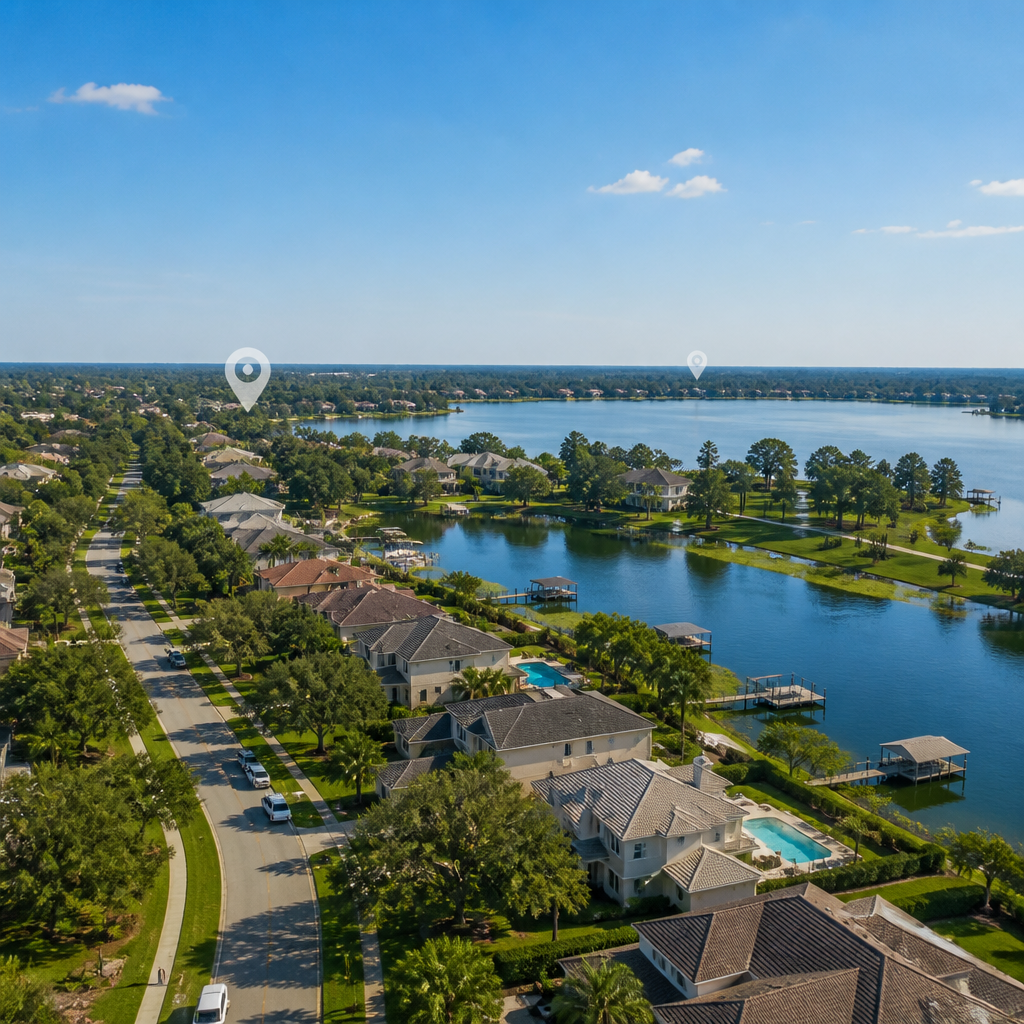
Luxury Living: A Guide to Windermere, FL Luxury Homes in 2026
Luxury Living: A Guide to Windermere, FL Luxury Homes in 2026 Windermere, FL combines lakeside serenity with easy access to Orlando’s employment and entertainment corridors, making it a magnet for high-end buyers. According to U.S. Census QuickFacts, the town’s population remains under 4,000 residen